Which Teeth Can a Patient Get Dental Crowns On?
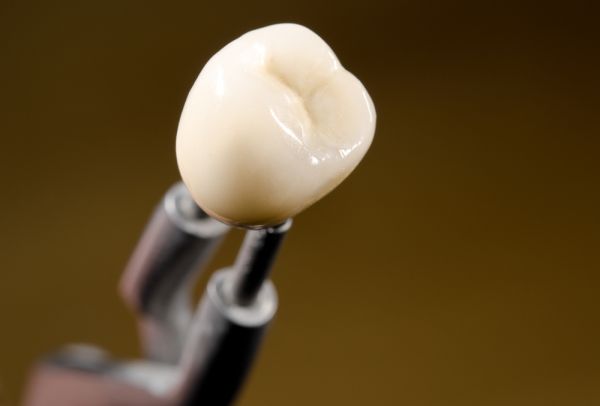
Dental crowns are one of the most popular procedures for patients who are in need of restoration or replacement. General dentists use dental crowns to cover teeth that are in bad shape. All teeth can experience decay or damage, which may warrant the need for crown placement.
Considering dental crowns to improve both dental and oral health? This article may be helpful to you! Teeth that are in need of restoration or replacement can greatly benefit from dental crown placement. We discuss which teeth can support a crown. Keep reading to find out more!
Which teeth can dental crowns go on?
Below, we outline what type of teeth a dental crown should be placed on. This information can be beneficial when considering different restorative or replacement options.
Molars
The back teeth are referred to as molars. They are responsible for chewing and grinding up food. Molars get the most action and often experience the most decay, which is where dental crowns come into the picture. Because molars are primarily used for chewing, they often experience more bacterial growth and infections. Leftover food can remain behind, which can cause a cavity or decay.
With the help of a dental crown, the patient can have their molars repaired. The crown will completely cover the molar so any previous damage is removed or covered. A dental crown essentially allows for a new and improved tooth.
Dental crowns on molars can experience a fair amount of wear and tear for a while. They are said to last anywhere from five to 10 years, depending on the patient’s oral hygiene and how frequently they are used. If appropriately cared for, they may never need to be repaired or replaced.
Front teeth
The front teeth are referred to as incisors and are the most visible to the eye. For the longest time, dental crowns were not able to placed on incisors because of their delicacy and thin shape. However, as modern dentistry has evolved, incisors can now have a dental crown placed over them if there is a need.
Because incisors are in the front of the mouth, they are more prone to damage such as cracks or chips. Injuries that cause a blunt force to the face may cause one of these front teeth to need a dental crown.
Dental crown placement for incisors works the same way that it does for molars, but the crown is smaller and typically made of porcelain or ceramic to match the natural teeth. Once a crown is placed on a front tooth, it is likely to last up to 15 years. They last longer on the front teeth because they are not as active as the molars, unless there is an injury.
Get started today!
Want to know more about what teeth dental crowns can be placed on? Give us a call! Our team of general dentists can evaluate your teeth to determine if a crown is needed. Stop by our office or reach out to us today so we can get you started with the dental care you need.
Are you considering dental crowns in the Miami area? Get more information at https://www.southfloridadentalarts.com.
Check out what others are saying about our services on Yelp: Read our Yelp reviews.
Recent Posts
Made of durable, tooth-colored ceramic, CEREC® crowns have become popular in recent years. These restorations are sometimes used to strengthen a broken tooth. One appeal of these crowns is that they can be made in one visit.CEREC® crowns are natural-looking restorations, so dentists use them for front as well as back teeth. Because they are…
A preventive dentist is a trusted partner in maintaining your oral health and preventing serious dental issues before they occur. This dental professional emphasizes regular care and education, supporting long-term wellness and reducing the need for extensive procedures. As the cornerstone of modern dental care, preventive dentistry underscores early detection, regular visits, and informed patients.A…
You might have heard your dentist mention a CEREC® crown, but perhaps you are unclear about what a CEREC crown is. When you have a damaged tooth, the dentist will suggest several options for repairing the tooth, based on the type of damage and your oral health. Worn-down or teeth damaged by tooth decay are…
CEREC® crowns can restore damaged teeth in a single appointment. These advanced dental crowns are made with precision and tailored to the patient’s smile, allowing them to blend in seamlessly with the rest of the teeth. There is no need for temporary crowns or multiple appointments. With proper planning and guidance, CEREC crowns can provide…