Which Teeth Can a Patient Get Dental Crowns On?
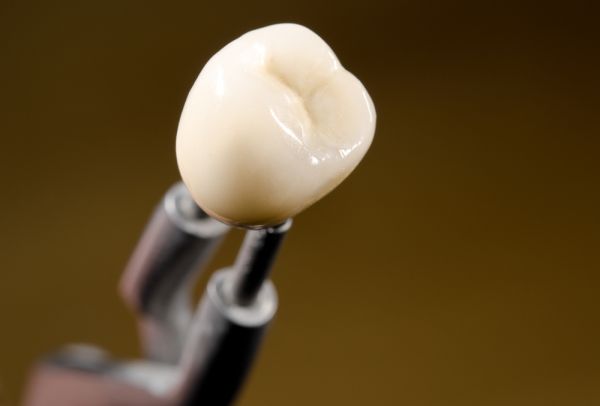
Dental crowns are one of the most popular procedures for patients who are in need of restoration or replacement. General dentists use dental crowns to cover teeth that are in bad shape. All teeth can experience decay or damage, which may warrant the need for crown placement.
Considering dental crowns to improve both dental and oral health? This article may be helpful to you! Teeth that are in need of restoration or replacement can greatly benefit from dental crown placement. We discuss which teeth can support a crown. Keep reading to find out more!
Which teeth can dental crowns go on?
Below, we outline what type of teeth a dental crown should be placed on. This information can be beneficial when considering different restorative or replacement options.
Molars
The back teeth are referred to as molars. They are responsible for chewing and grinding up food. Molars get the most action and often experience the most decay, which is where dental crowns come into the picture. Because molars are primarily used for chewing, they often experience more bacterial growth and infections. Leftover food can remain behind, which can cause a cavity or decay.
With the help of a dental crown, the patient can have their molars repaired. The crown will completely cover the molar so any previous damage is removed or covered. A dental crown essentially allows for a new and improved tooth.
Dental crowns on molars can experience a fair amount of wear and tear for a while. They are said to last anywhere from five to 10 years, depending on the patient’s oral hygiene and how frequently they are used. If appropriately cared for, they may never need to be repaired or replaced.
Front teeth
The front teeth are referred to as incisors and are the most visible to the eye. For the longest time, dental crowns were not able to placed on incisors because of their delicacy and thin shape. However, as modern dentistry has evolved, incisors can now have a dental crown placed over them if there is a need.
Because incisors are in the front of the mouth, they are more prone to damage such as cracks or chips. Injuries that cause a blunt force to the face may cause one of these front teeth to need a dental crown.
Dental crown placement for incisors works the same way that it does for molars, but the crown is smaller and typically made of porcelain or ceramic to match the natural teeth. Once a crown is placed on a front tooth, it is likely to last up to 15 years. They last longer on the front teeth because they are not as active as the molars, unless there is an injury.
Get started today!
Want to know more about what teeth dental crowns can be placed on? Give us a call! Our team of general dentists can evaluate your teeth to determine if a crown is needed. Stop by our office or reach out to us today so we can get you started with the dental care you need.
Are you considering dental crowns in the Miami area? Get more information at https://www.southfloridadentalarts.com.
Check out what others are saying about our services on Yelp: Read our Yelp reviews.
Related Posts
Wondering about the importance of aftercare following an emergency dentist visit? Read on to learn more. No one wants to end up at the emergency dentist, but if you do, understand that the process of treating the issue does not end when you leave the office. Emergency dental care is meant to stabilize a condition,…
A preventive dentist strives to keep the teeth and gums healthy through regular dental checkups and cleanings. Combined with good oral hygiene, this quality care can help reduce the likelihood of tooth decay, gum disease, and sudden dental emergencies. No matter how old or young the patient may be, consistent visits provide a clear path…
A visit to your emergency dentist may sound hectic. It does not have to be. You can prepare well in anticipation of a possible dental emergency. Knowing how to prepare for this visit can keep things calm while heading to the emergency dentist.An organic rinse of salt water is a good way to kill bad…
It does not take much for a dental emergency to occur: For example, a baseball to the face during a weekend game can knock out a tooth, leaving you scrambling for an emergency dentist. This article examines the various methods that emergency dentists employ to provide prompt relief to patients experiencing severe dental injuries or…