Step-by-Step: What Happens During a Dental Crown Appointment
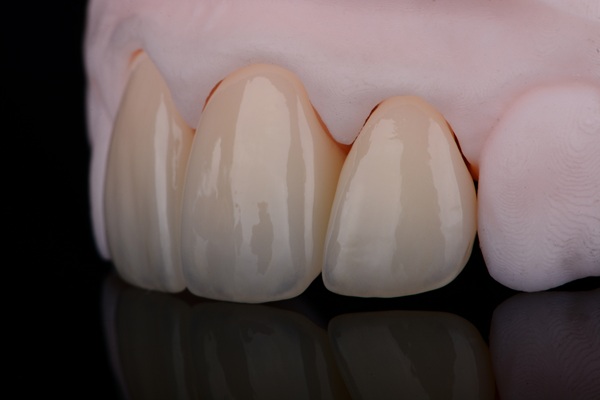
Dental crowns are a common restorative solution that protects damaged teeth, improves appearance, and restores proper function. The placement process follows a common step-by-step restoration. Understanding this process can help alleviate any uncertainty you may have before an upcoming appointment and prepare you for what you can expect. Each stage of the dental crown placement procedure is carefully planned to ensure your comfort, precision, and long-lasting results.
Initial consultation and examination
The first step in a dental crown appointment is a thorough consultation and examination. During this part of the appointment, the dentist evaluates the tooth requiring restoration and examines the surrounding teeth and gums. They may use digital X-rays or other imaging tools to assess the tooth's structure and detect any underlying issues, such as decay or infection.
A thorough consultation and examination help the dentist determine whether a crown is the most appropriate treatment and which type will provide optimal durability and aesthetics. Possible options include porcelain, ceramic, metal, or a combination of different materials. Each dental crown material has distinct advantages, and the recommendation often depends on the location and overall function of the tooth.
Preparing the tooth
After finalizing the treatment plan, the appointment proceeds to tooth preparation. The dentist begins by numbing the area with a local anesthetic to ensure minimal discomfort. After the patient is numb, the dentist will carefully reshape the tooth to create sufficient space for the crown.
During this process, the dental team will remove any decay or damage. Then, the dentist will contour the tooth to allow the crown to fit snugly. Improper shaping can affect the crown's fit, function, and appearance. If the tooth structure is severely damaged, a core build-up may be necessary to provide a stable foundation for the crown.
Impressions and digital scanning
After preparing the tooth, the dental team will take an accurate impression of the tooth and surrounding teeth. Traditionally, dental molds made from putty-like material are used, but many modern practices now use digital scanning technology. This step confirms that the dental crown will match the tooth's exact shape, bite alignment, and color.
The impressions or scans are sent to a dental laboratory, where the crown is custom-made. This process can take several weeks. While waiting for the permanent crown, a temporary crown is often placed to protect the prepared tooth, maintain proper bite alignment, and allow normal function.
Temporary crown placement
The placement of a temporary crown serves multiple purposes. For example, it shields the prepared tooth from sensitivity and prevents the adjacent teeth from shifting. It will also help the patient maintain the appearance of their smile. Temporary crowns contain acrylic or composite materials. They are durable enough to last until the permanent crown is ready, which typically takes about 2 weeks.
Temporary crowns are not as strong as permanent ones. However, the patient can keep them secure with careful handling and good oral hygiene. Follow the dentist's instructions to help make sure the temporary crown stays in place and does not get damaged.
Fitting the permanent crown
When the permanent dental crown is ready, the patient will return to the dental office for the final appointment. The dentist will remove the temporary crown. Then, they will evaluate the fit, shape, and color of the permanent crown. Before the final placement, the dentist may make minor adjustments to ensure the patient can bite and chew properly.
Once the crown fits correctly, the dentist will permanently bond the tooth using a strong dental cement. They will carefully check and confirm that the crown aligns with the surrounding teeth and functions naturally when the patient is chewing or speaking. This final part of the treatment process requires precision to contribute to the longevity and effectiveness of the restoration.
Post-procedure care
After dental crown placement, post-procedure care is essential to maintain the health of the tooth with the dental crown and surrounding tissues. Patients are advised to avoid extremely hard foods initially and maintain regular oral hygiene practices, including brushing and flossing around the crown. Routine dental check-ups are important because they allow the dental professional to monitor the condition of the crown and detect potential issues when they first appear. Depending on the material, well-maintained dental crowns can last 15 to 30 years, providing both structural and cosmetic benefits.
Schedule a consultation today at our Miami office
Dental crowns offer a reliable restorative solution for a wide range of dental concerns. Each stage of the dental crown placement process prioritizes precision, comfort, and long-term success. With professional expertise and careful planning, the result is a strong, natural-looking tooth that supports the appearance and long-term health of your smile. Call our Miami office today to learn more or to schedule a consultation.
Request an appointment here: https://www.southfloridadentalarts.com or call South Florida Dental Arts at (305) 230-4041 for an appointment in our Miami office.
Check out what others are saying about our dental services on Yelp: Dental Crowns and Dental Bridges in Miami, FL.
Related Posts
If you've suffered a broken or damaged tooth, you may want to consider a dental crown to restore your damaged smile. It's important, however, to know when your crown is getting worn and when it is time to get it replaced so that you can keep your smile looking its best. Proper maintenance and care…
A dental crown is often used to treat dental cavities, especially when the cavity is too large or too deep for a dentist to repair with a dental filling. This review provides a detailed look at when a dental crown is needed to repair a tooth that has a cavity and how a dental crown…
Having dental crowns can change the way your mouth looks. Any distortion in the size and shape of your teeth can disappear with the help of caps. Crowns are custom-fit restorations capable of restoring and protecting your teeth. If you want to know how dental crowns can bring back your tooth’s size and shape, here…
If you have an extensively decayed tooth or the filling applied is too big for your tooth to support it, your dentist will probably recommend putting in a dental crown. This is a prosthesis designed to look like a natural tooth, but it is hollow inside to fit over the damaged tooth. In addition to…