How Dental Implant Restorations Complete the Tooth Replacement Process
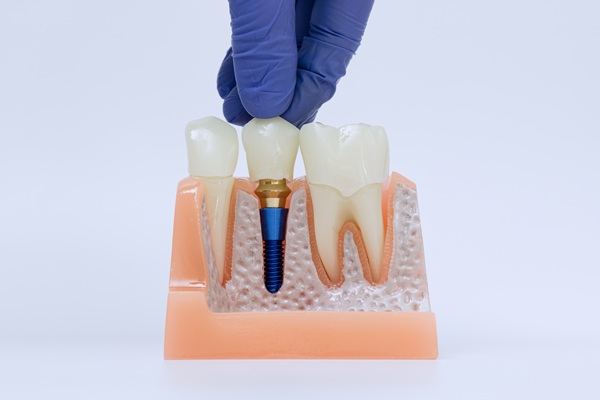
Dental implant restorations help turn a titanium implant into a complete and attractive smile. When patients think about replacing a tooth, they may wonder how the final restoration will improve their smile and oral function. It is important to understand each step of implant restoration and how it contributes to your long-term health, comfort, and confidence.
The two parts of dental implant treatment
Dental implant care involves more than placing a small metal post in an individual’s jawbone. The initial post acts as a replacement tooth root, sitting safely under the gumline. After implant placement, the jawbone naturally fuses with the post over a few months. This process, medically known as osseointegration, creates a stable foundation for the patient’s new smile that handles daily biting and chewing without slipping or wobbling.
Once the bone integrates with the post, implant treatment moves to the visible tooth replacement. This top piece is called the restoration. This final piece completes the overall treatment by bringing back full chewing ability and an attractive smile. Without the restoration attached, the post stays hidden under the gums and cannot do its job.
What are dental implant restorations?
Dental implant restorations are custom-crafted replacement teeth designed to lock securely onto anchored posts. Based on how many teeth the patient needs to replace, the dental team will custom build these restorations to match the patient’s specific goals. They will recommend the following types of restorations based on the patient’s needs:
- Custom single crowns that replace individual missing teeth without harming the surrounding teeth
- Multi-unit fixed bridges that span longer gaps while anchored by implant posts
- Full-arch dentures that replace an entire upper or lower row of teeth
- Removable overdentures anchored firmly by specialized attachment snaps or locator bars
- Custom abutments engineered to support healthy gum contours around the new tooth
Every dental implant restoration is crafted to match the exact shade, shape, and size of each patient’s natural teeth. Modern materials like durable porcelain and high-strength zirconia reflect light like natural enamel. A tiny connector called an abutment secures the restoration to the post, distributing chewing pressure evenly across the jaw.
Cosmetic and functional benefits of the restoration phase
The restoration phase represents the exciting final step that transforms an invisible anchor into a fully working tooth. While the hidden post supplies strength deep in the patient’s jawbone, the implant restoration delivers real everyday benefits.
Well-designed dental implant restorations provide the following benefits for the patient’s long-term oral health:
- Restores standard biting and chewing power
- Improves clear speech
- Preserves natural facial structure
- Prevents nearby teeth from drifting into open space over time
- Prevents opposing teeth from drifting into empty spaces
- Distributes bite force evenly across the jaw to protect bone density
Careful fitting ensures the bite feels comfortable right away. Precise design keeps extra pressure off neighboring teeth, which supports long-term comfort and healthy jaw movement for decades.
Modern materials designed for durability and everyday life
Materials used in modern dental implant restorations blend everyday strength with natural beauty. For example, dental-grade porcelain remains a popular option because the natural shine mirrors real tooth structure. High-strength zirconia is also an optimal option due to its durability and resistance to damage like chips and cracks.
Dental labs use precise digital technology to create custom implant restorations. Before choosing the material, the dentist uses advanced design tools to ensure the patient’s new restoration fits comfortably and offers a natural, comfortable alignment. The result is a durable tooth replacement that is built to handle daily meals while looking fantastic in photos.
Caring for dental implant restorations
Simple daily care keeps both the restoration and surrounding gums in great shape. Regular habits like thorough brushing and daily flossing clear away food debris around the restoration. Additionally, routine dental visits let the dental team inspect the restoration, polish the surface, and catch any early signs of gum irritation.
Healthy gums form the foundation for lasting implant restoration success. Small issues can grow larger if they are not addressed as soon as possible. While dental implant restorations are built for high durability, natural wear over several years may eventually require minor adjustments or replacement.
Dental implant restorations can help complete your smile
Dental implant restorations complete your dental implant treatment. With basic daily oral hygiene and regular dental checkups with a trusted dental provider, you can rely on dental implant restorations to help maintain a healthy smile for many years. Call our Miami office to learn more about our implant restoration options.
Request an appointment here: https://www.southfloridadentalarts.com or call South Florida Dental Arts at (305) 230-4041 for an appointment in our Miami office.
Check out what others are saying about our dental services on Yelp: Dental Implant Restoration in Miami, FL.
Related Posts
A dental restoration is a treatment that rebuilds or replaces damaged tooth structure to restore full function and aesthetics. Whether addressing decay, fractures, or missing teeth, a dental restoration supports long-term oral health and helps preserve the natural smile. From simple fillings to more advanced solutions like bridges and onlays, each type of restoration offers…
Dental restoration refers to treatments focused on repairing or replacing damaged teeth, restoring their strength and appearance. When teeth become damaged, decayed, or lost, it affects daily activities such as eating and speaking while also increasing the risk of further oral health issues. A healthy smile is more than just an aesthetic feature; it is…
Dental restorations can fail. Seeing your dentist right away can help correct the situation if it happens. Your restorations may need replacements already. Routine dental visits allow your dentist to check your restorations and schedule the next appointment for the re-treatment. If you want to know what happens when dental restorations fail, here are the…
As you age, your teeth face challenges from numerous issues. Daily wear from chewing food or stress-related grinding, gum problems from bacteria build-up, and tooth damage from the foods and drinks you consume all play a role in the deterioration of your smile.You and your dentist share a common goal: caring for and preserving your…