Dentures: The traditional tooth replacement option
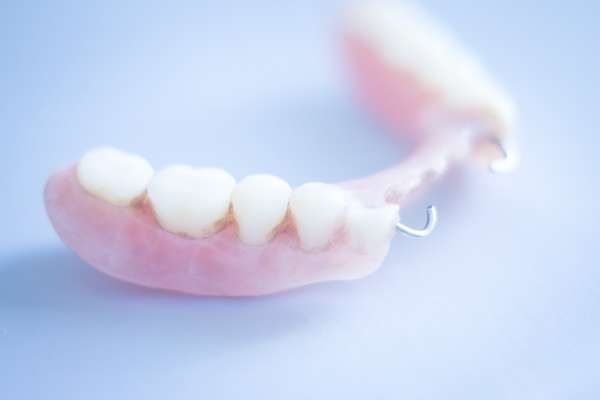
A denture is a removable tooth replacement option that is made of gum-colored acrylic and rests either along the gumline or on teeth adjacent to a gap. Depending on the extent of tooth loss, a dentist may recommend either a complete denture set or partial dentures.
Dentists may use complete dentures to replace all the teeth on the upper or lower portion of the jaw. These types of dentures rest directly on the gumline. Partial dentures, on the other hand, are used to fill gaps along the gumline and use natural remaining teeth for support. Because a partial denture relies on natural teeth, it typically affords more security and comfort than complete dentures.
Pros and cons of dentures
There are a few distinct advantages to getting dentures instead of dental implants. For one, dentures are far more affordable than implants. The procedure for fitting dentures is also non-invasive and can be completed relatively quickly. Finally, dentures may be the only option for patients who have experienced ample bone loss.
Though few, the pitfalls associated with dentures are often significant enough to convince patients to opt for implants. Dentures are unstable and may make it difficult for wearers to talk, chew, or socialize. To maintain a proper fit, a patient may also require frequent adjustments and regular replacements over the years. Finally, if not properly cared for, dentures may cause infection along the gumline.
Dental implants: A permanent solution
A dental implant is a titanium post that fuses to the jawbone through a process called osseointegration. Once fused, this post provides enduring support for the crown. The finished result is a prosthetic that looks, feels, and acts just like a natural tooth. With proper care and oral hygiene, dental implants can be permanent.
Pros and cons of dental implants
There are several advantages to choosing implants over dentures. For one, implants afford patients a permanent solution. The posts and abutments remain fixed, meaning individuals never have to remove them to engage in certain activities, such as eating or sleeping. Implants also prevent the deterioration of the jawbone, which dentures cannot do. Finally, implants provide significantly more comfort than dentures, as implants replicate the natural teeth.
There are a few drawbacks of choosing implants over dentures. The first is expense. For many people, implants are out of the question, as the average cost for a single implant can soar into the thousands. The second drawback pertains to the procedure itself. Installing implants is an invasive and lengthy process that can take anywhere from six months to over a year to complete. The final drawback is the fact that not everyone is a candidate for implants. Patients who have significant bone loss may not qualify for implants without first undergoing bone and gum grafting.
Conclusion
Both dentures and dental implants are great tooth replacement options. Discuss both options in-depth with a local dentist to make the most important decision.
Request an appointment or call South Florida Dental Arts at 305-230-4041 for an appointment in our Miami office.
Related Posts
Dental implants are a long-term solution for missing teeth, providing durability, functionality, and a natural appearance. While they offer many benefits, proper care is essential to ensure long-term success. After undergoing the implant procedure, patients should be aware of key recovery steps and maintenance guidelines to protect their investment.The healing process after dental implants involves…
Dental implants are one of the most reliable and lasting solutions for replacing missing teeth. Unlike traditional dentures or bridges, implants integrate with the jawbone to provide a stable foundation for artificial teeth. While many patients benefit from implants, not everyone is an immediate candidate. Certain factors must be evaluated to determine eligibility, and for…
Dental implants provide a durable and long-lasting solution for missing teeth, but like natural teeth, they can be damaged under certain circumstances. Trauma, excessive pressure, or complications with the surrounding structures may compromise the integrity of an implant. Understanding what to do in the event of damage can help prevent further issues and protect oral…